Thursday, January 17, 2008


Religious conflicts stir up court session


By Magdy Samaan

First Published: January 16, 2008


CAIRO: The court session of a convert filing a lawsuit against the Ministry of Interior for refusing to change his religion from Islam to Christianity on his national ID card, turned chaotic when 20 lawyers threatened and insulted the plaintiff’s lawyers Rawda Ahmad Saeed and Adel Rafie.
The police interfered to protect the plaintiff Mohamed Hegazy’s lawyers, who left the session before it came to an end. Hegazy was not present at the session and remains in hiding due to threats by some Muslim clerics who issued fatwas calling for his death.
“We escaped before they beat us,” said Saeed, who is also a member in the Arabic Network for Human Rights Information (HRInfo).
Gamal Eid, also one of Hegazy’s lawyers, told Daily News Egypt that they would file a complaint against those lawyers at the public prosecutor’s office and the Lawyers’ Syndicate.
Eid revealed that Hegazy’s lawyers will ask the court to temporarily drop charges against the ministry due to the fact that some legal procedures were not followed by the case’s former lawyer Mamdouh Nakhla, who withdrew from the case.
Hegazy should have first made an official request at the civil registry to change his religious affiliation on the ID card. Should the registry refuse, he would then file a complaint at the police station, and obtain a certificate from the church stating that he has converted to Christianity.
Eid said that there have never been prior cases where the Interior Ministry has succumbed to such requests, “but we have to follow the legal procedures before filing a case.”
The case was postponed for the second time to Jan. 22 after the Administrative Court at the State Council adjourned it to Jan. 15 last November.
Another case scheduled in the same session was filed by lawyer Wahid Abdallah in solidarity with 20 lawyers against the Prime Minister, Interior Minister and Al-Azhar’s Grand Imam demanding punishment for apostasy which, they believe is stipulated by Sharia.
They base their case on Article 2 of the Egyptian constitution, which states that the principles of Islamic Sharia are the main source of legislation.
Islamist lawyers accused Al-Azhar’s Grand Imam as well as the government of not taking action against baptizing Muslims by the church.
Naguib Gobrail, head of the Egyptian Union of Human Rights Organization (EUHR) who joined the case against the 20 lawyers said “I won’t join Hegazy but I will join the government to defend the rights of people to [choose their faith] without being threatened. That is what the Egyptian constitution guarantees along with the international agreements that Egypt has signed.”

Violence against Copts

Seminar blames sectarian violence on political Islam
By Magdy Samaam
First Published: January 16, 2008

CAIRO: The spread of political Islam is responsible for the rising violence against Copts, according to Coptic activists and government members attending a seminar titled “How to stop violence against Copts.”
The seminar was held last Sunday as part of an ongoing program of events by the Middle East Liberties Forum, an organization established in December 2007 by Egyptian-American and Coptic researcher Magdy Khalil. The seminar drew a wide audience of Coptic figures, including activists and secularists.
Members joined in asking for new legislation to ensure the punishment of religious discrimination between Egyptian citizens.
Some members, however, were optimistic about the growing awareness of sectarian strife, and noted the unified stance of Egyptians during the workers’ strikes.
They were also optimistic about intellectuals’ condemnation of the Muslim Brotherhood’s anti-Coptic stance in their recently publicized political program.
The audience evoked Pope Shenouda’s previous comments about how Egypt has been and always will be a unified entity.
Attendees also noted comments made by famed journalist Mohamed Hassanein Heikal that Egypt’s main priorities are the preservation of the sources of the Nile and a united patriotism.
Khalil revealed results from the Ibn Khaldun Center about sectarian incidents, showing that almost 240 incidents against Copts occurred since the Al-Khanka events of 1972. In his personal study on the subject, Khalil claims to have recorded 4,000 victims and millions of pounds in damage to property.
He added that common issues triggering conflicts include the bias of security forces and the absence of justice. He claimed that no Muslim was ever sentenced to death because he killed a Copt, and that no Muslim was ever punished for any crime committed against a Copt. This lack of punishment is, in his opinion, an encouragement for extremists to commit more crimes against Copts.
Khalil blamed the Muslim majority for sectarian tension and said, “The majority is responsible for helping the minority. However, reality shows that the majority has been creating the tension, and that the minority resisted and faced violence with forgiveness.”
Khalil refused the principle of forgiveness regarding civil rights, saying it was negligence. He pointed out the fact that there were various organizations providing the Coptic community with its rights through a campaign for Egyptians’ rights regardless of religious affiliation.
He claimed that the country’s aim is to win the Copts’ support at any price, without giving them any support in return.
Khalil and Mohamed Fayek, former minister and member of the National Council for Human Rights, agreed that the most important duty with regard to stopping violence against Copts lies in the hands of the Muslim majority, saying that Egyptian society had become characterized by violence.
“We have to admit that the Copts are facing discrimination in practicing their religion and in the law,” he said.
He added that there was a group working to draft a law criminalizing religion-based discrimination.
Fayek talked about both foreign and domestic causes for the violence against Copts. Among the domestic reasons was a lack of good religious understanding by both Muslims and Christians. Foreign causes lie in the United States’ policies in the Arab region and their “war on terror.”
Fayek also focused on the issue of religious freedom, and criticized the courts’ handling of divorce cases — especially those in which a man changes his religion to divorce his wife — confirming that Islam is not the root cause of such misunderstandings, as it teaches freedom of faith.
Mounir Megahed, founder of the Egyptian Action Against Discrimination, explained that former president Anwar Sadat’s approval of Islamic political groups in the 70s was the reason behind increased sectarian strife.
He said that an initiative enabling Egyptians to overcome sectarian differences could be achieved, pointing out that Egyptians overcame religious differences during the workers’ strikes, focusing on matters of common interest and establishing hope of a patriotic union.
Writer and journalist Saad Hagrass was optimistic about the fact that there is a growing awareness among Egyptians of issues of equality and citizens' rights. He noted the so-called “intellectuals revolution” against the Muslim Brotherhood’s programs that discriminated against the Copts. Even members of the Muslim Brotherhood themselves had, as a result, taken a step back and tried to assume some responsibility on the subject, he said. Seminar blames sectarian violence on political IslamBy Magdy SamaamFirst Published: January 16, 2008

CAIRO: The spread of political Islam is responsible for the rising violence against Copts, according to Coptic activists and government members attending a seminar titled “How to stop violence against Copts.”
The seminar was held last Sunday as part of an ongoing program of events by the Middle East Liberties Forum, an organization established in December 2007 by Egyptian-American and Coptic researcher Magdy Khalil. The seminar drew a wide audience of Coptic figures, including activists and secularists.
Members joined in asking for new legislation to ensure the punishment of religious discrimination between Egyptian citizens.
Some members, however, were optimistic about the growing awareness of sectarian strife, and noted the unified stance of Egyptians during the workers’ strikes.
They were also optimistic about intellectuals’ condemnation of the Muslim Brotherhood’s anti-Coptic stance in their recently publicized political program.
The audience evoked Pope Shenouda’s previous comments about how Egypt has been and always will be a unified entity.
Attendees also noted comments made by famed journalist Mohamed Hassanein Heikal that Egypt’s main priorities are the preservation of the sources of the Nile and a united patriotism.
Khalil revealed results from the Ibn Khaldun Center about sectarian incidents, showing that almost 240 incidents against Copts occurred since the Al-Khanka events of 1972. In his personal study on the subject, Khalil claims to have recorded 4,000 victims and millions of pounds in damage to property.
He added that common issues triggering conflicts include the bias of security forces and the absence of justice. He claimed that no Muslim was ever sentenced to death because he killed a Copt, and that no Muslim was ever punished for any crime committed against a Copt. This lack of punishment is, in his opinion, an encouragement for extremists to commit more crimes against Copts.
Khalil blamed the Muslim majority for sectarian tension and said, “The majority is responsible for helping the minority. However, reality shows that the majority has been creating the tension, and that the minority resisted and faced violence with forgiveness.”
Khalil refused the principle of forgiveness regarding civil rights, saying it was negligence. He pointed out the fact that there were various organizations providing the Coptic community with its rights through a campaign for Egyptians’ rights regardless of religious affiliation.
He claimed that the country’s aim is to win the Copts’ support at any price, without giving them any support in return.
Khalil and Mohamed Fayek, former minister and member of the National Council for Human Rights, agreed that the most important duty with regard to stopping violence against Copts lies in the hands of the Muslim majority, saying that Egyptian society had become characterized by violence.
“We have to admit that the Copts are facing discrimination in practicing their religion and in the law,” he said.
He added that there was a group working to draft a law criminalizing religion-based discrimination.
Fayek talked about both foreign and domestic causes for the violence against Copts. Among the domestic reasons was a lack of good religious understanding by both Muslims and Christians. Foreign causes lie in the United States’ policies in the Arab region and their “war on terror.”
Fayek also focused on the issue of religious freedom, and criticized the courts’ handling of divorce cases — especially those in which a man changes his religion to divorce his wife — confirming that Islam is not the root cause of such misunderstandings, as it teaches freedom of faith.
Mounir Megahed, founder of the Egyptian Action Against Discrimination, explained that former president Anwar Sadat’s approval of Islamic political groups in the 70s was the reason behind increased sectarian strife.
He said that an initiative enabling Egyptians to overcome sectarian differences could be achieved, pointing out that Egyptians overcame religious differences during the workers’ strikes, focusing on matters of common interest and establishing hope of a patriotic union.
Writer and journalist Saad Hagrass was optimistic about the fact that there is a growing awareness among Egyptians of issues of equality and citizens' rights. He noted the so-called “intellectuals revolution” against the Muslim Brotherhood’s programs that discriminated against the Copts. Even members of the Muslim Brotherhood themselves had, as a result, taken a step back and tried to assume some responsibility on the subject, he said.

ندوة: الدولة و الإسلام السياسي مسؤولين عن زيادة العنف ضد الأقباط.


كتب- مجدي سمعان:

حمل ناشطون حقوقيون و أقباط الحكومة و تزايد ظاهرة الإسلام السياسي مسؤولية تزايد ظاهرة العنف ضد الأقباط، و طالبوا بثن تشريع يجرم التميز بين المواطنين المصريين على أساس الدين. في حين أبدى البعض تفاؤله بزيادة الوعي لدى بتجاوز الانقسام الطائفي و دللوا على ذلك بالتوحد على المطالب الفئوية خلال الاحتجاجات العمالية و رفض المثقفين المصريين للتميز ضد الأقباط الوارد في برنامج الإخوان المسلمين.
جاء ذلك خلال ندوة بعنوان "كيف نوقف العنف ضد الأقباط" أقيمت الأحد الماضي بمنتدى الشرق الأوسط للحريات الذي أسسه الشهر الماضي الباحث القبطي مجدي خليل العائد من الولايات المتحدة الأمريكية و شهدت الندوة حضورا كبيرا من النشطاء الأقباط و العلمانيين في مصر.

و استدعى بعض الحضور مقولة البابا شنودة أن هذا البلد لا يمكن أن يتفكك لأن وحدته أحد أسرار هذا البلد الخالدة. و مقولة الكاتب الكبير محمد حسنين هيكل بأنه يجب أن يكون على رأس أولويات الدولة المصرية حماية منابع نهر النيل و الوحدة الوطنية.

كشف خليل مدير أنه طبقا لمركز ابن خلدون فإن عدد الأحداث الطائفية ضد الأقباط بلغت 240 حادثا منذ حادث الخانكة في عام 1972.
و قال أنه أجرى هو شخصيا دراسة قدر فيها ضحايا هذه الأحداث من الأقباط بنحو 4000 قبطي بخلاف ملايين الجنيهات خسائر في الممتلكات.

و لفت إلى أنه هناك قاسم مشترك في كل الأحداث الطائفية و هي التحيز و التواطؤ الأمني و غياب العدالة فلم يحدث أن أعدم مسلما قتل قبطيا، و نجا معظم مرتكبي الحوادث من أي نوع من العقوبة، و هو تشجيعا ضمنيا من الدولة للمتعصبين لارتكاب مزيد من الجرائم ضد الأقباط.

و حمل خليل الأغلبية المسلمة مسؤولية التوتر الطائفي، و قال "عادة تكون الأغلبية هي المسؤولة على احتواء الأقلية، لكن الواقع يشير إلى أن الأغلبية صنعت التوتر و الأقلية حافظت على التماسك و واجهت العنف بالتسامح"
و رفض خليل مبدأ التسامح في الحقوق فيما يتعلق بحقوق الجماعات و اعتبره نوع من التفريط. مشيرا إلى أن هناك آليات و أساليب سلمية لحصول الأقباط على حقوقهم، من خلال حركة مدنية تدعم حقوق المصريين جميعا بغض النظر عن انتماءاتهم الدينية.
و أكد أن ما الدولة تريد أن تستقطب الأقباط بلا ثمن، تريد تأييدهم دون أن تعطي لهم مقابل.


و اتفق الدكتور محمد فائق الوزير السابق و عضو المجلس القومي لحقوق الإنسان مع خليل على أن الواجب الأكبر على إيقاف العنف ضد الأقباط يقع على الأغلبية المسلمة. مشيرا إلى أن العنف أصبح ظاهرة في المجتمع المصري.
و قال "لابد أن نعترف أن هناك مشاكل يعاني منها الأقباط تصل إلى حد التميز، عن طريق الممارسة و التميز عن طريق القانون"
و كشف عن أن هناك مجموعة تعمل على صياغة مشروع قانون يجرم التميز.
و أكد أن هناك أسباب خارجية و أسباب داخلية تقف وراء العنف ضد الأقباط منها عدم الفهم الصحيح للدين سواء في الجانب المسيحي أو الإسلامي، و أسباب خارجية متعلق بالسياسة الأمريكية في المنطقة العربية و الحرب على الإرهاب..
و ركز فائق على قضية الحريات الدينية، و انتقد ما يحدث من أحكام قضائية تطلق الرجل من زوجته إذا غير دينه، مؤكدا أن الإسلام برئ من كل هذا الفهم الخاطئ حيث يكفل الإسلام حرية العقيدة.
و أرجع الدكتور منير مجاهد مؤسس حركة مصريون ضد التميز سبب العنف ضد الأقباط إلى إطلاق الرئيس السادات لجماعات الإسلام السياسي في السبعينيات، و هو ما أدى إلى تزايد التميز الديني و الفرز الطائفي. و أصبح هناك نوع من الاحتقان الطائفي يجعل أي مشكلة صغيرة يمكن أن تتحول إلى اعتداءات شاملة على ممتلكات الأقباط، و ما يشجع على تكرار تلك الحوادث هو أن الأمور تنتهي لعقد جلسات الصلح العرفي المخالفة للقانون.

و لفت إلى أنه يبدو أن هناك بادرة لتجاوز المصريين الفروق الطائفية تمثلت في تجاوزهم للفروق الدينية في الإضرابات العمالية التي ميزت العاميين الماضيين و تركيزهم على المصالح المشتركة، الأمر الذي يمكن أن يؤدي إلى رأب الصدع و عودة الاندماج الوطني.

و بينما أبدى الكاتب الصحفي سعد هجرس تفاؤله في أن هناك وعي متزايد لدى المصريين بالمساواة و حقوق المواطنة دلل على ذلك بما أسماه ثورة المثقفين على برنامج الإخوان الذي كان فيه تميزا ضد الأقباط لدرجة جعلت الإخوان يتراجعوا و يحاولوا أن يلقوا بالمسؤلية على بعضهم البعض

Monday, January 14, 2008


Investigations launched into monastery attacks in Abo Fana


By Magdy Samaan

First Published: January 13, 2008


CAIRO: The general prosecutor is investigating an attack on Abo Fana Monastery in Malawi city, allegedly committed by a group of more than 20 armed Muslims who destroyed eight hermitages and injured a monk, Father Mina told Daily News Egypt. Malawi city is in El Minya, 300 km south of Cairo.
“They attacked us with machine guns, tractors and cars. Eight hermitages were destroyed, bibles and crosses were burnt,” he added.
The monks have not filed a complaint.
“It is not the first time we are attacked,” Father Mina said, adding that on Jan. 1, a man had opened fire on them. “We filed a complaint at the police station but they didn’t start an investigation.”
He pointed out that the man who led the attack used to violate and humiliate them, and the monastery used to complain but the police allegedly ignored their complaints.
Father Mina added that the same man forced the monastery to pay LE 10,000 two years ago.
“They claim they own the land and want us out of here. But we have been living here for a long time,” Bishop Demetrious of Malawi and Ansina told Daily News Egypt.
He explained that 12 of Abo Fana’s monks chose to be hermits – they live in separate hermitages as far as one kilometer from the monastery, which was founded in the fourth century. Bishop Demetrious said that the church pleaded with the government to build a fence around those hermitages.
“The Monks who were attacked not only isolated themselves from the outside world and [dedicated themselves] to the monastery in the desert but also left the monastery and went to live alone,” Father Mina said.
Former MP Gamil Sevene, head of the Association of Coptic Youth Cooperatives, was quoted in the local press as saying that this was not a sectarian incident but a land dispute

فيلم يوسف شاهين الجديد يتخطى حاجز ألايرادات القياسية نسبة لأفلامه السابقة
25/12/2007

القاهرة - أ. ف. ب - حقق فيلم "هي فوضى" ليوسف شاهين وخالد يوسف ايرادات تقترب من 10 ملايين جنيه (مليونا دولار تقريبا) وذلك للمرة الاولى في تاريخ افلام شاهين الذي يقدره الشارع المصري الا انه لا يتفاعل مع افلامه.كما اثار الفيلم الذي يتعرض للفساد المستشري في اجهزة الدولة العديد من الحوارات في المجتمع المصري بين مؤيد له في اوساط المثقفين ومن يوجه الاتهام الى صانعي الفيلم باثارة البلبة الاجتماعية.ويصور الفيلم امين شرطة (ضابط صف) والدور الفاسد والقمعي الذي يقوم به في الفيلم والذي اداه باقتدار الفنان خالد صالح احد اكثر الوجوه الواعدة في السينما المصرية الان. ويقول الناقد طارق الشناوي ان الفيلم "لا يمت الى عالم شاهين بصلة من حيث ثراء السينما في كادرات المشاهد ومن حيث الصورة والمؤثرات الصوتية والاضاءة". ويشير الى "ظهور اسلوب خالد يوسف في الفيلم كرؤية اخراجية تستند بشكل صريح الى بطولة الحوار الذي قد يصل احيانا الى درجة الفظاظة من حيث القول والمشاعر والاحساسيس التي يقوم بتقديمها طوال عرض الفيلم". من جهته، رأى الكاتب عزت قمحاوي ان "الفيلم يبدو مركبا من فيلمين ويختلف نصفه الاول عن الثاني في ذكاء اللقطة ورهافتها وفي الايقاع والبناء الدرامي والجمالي للمشاهد المتعاقبة". واختلفت الرؤية السياسية تجاه الفيلم، فقال احد المشاهدين احمد كمال لفرانس برس ان "الفيلم يصور حقيقة ما يظهر في المجتمع حيث يقوم امناء الشرطة بما هو افظع مما شاهدت على الشاشة من تعذيب للمواطنين واجبارهم على دفع الرشوة وعدم شرعية اعتقال العديد من المواطنين الذين يعترضون على هذه المسلكيات". في حين اعترض رئيس تحرير يومية "روز اليوسف" الحكومية عبدالله كمال على هذه الرؤية حيث ان الفيلم بحسب رأيه يشكل "دعوة للحل عبر الفوضى وخلاصته اقتحام قسم الشرطة من دون الاهتمام بسلطته القانونية". وهذا ما رفضه خالد يوسف في تصريح لفرانس برس قائلا "الفيلم يقدم نموذجا وصورة متواضعة لبطش السلطة والامراض النفسية والاجتماعية ونموذجا لفساد السلطة والقمع والقهر الذي يعيشه الناس في ظل نظام لا يحتمل السماح للناس بالتعبير عن انفسهم". واضاف ان "الفوضى هنا هي الفوضى التي يتسبب بها النظام وليس خروج الناس عليه". ورأى الناقد الشناوي ان "الفيلم يدين القضاء كما يدين الشرطة، فوكيل النيابة الذي هو الممثل القانوني يرتكب الكثير من الاخطاء، فقد اهان القضاء حيث يفترض بممثل القانون ان يكون البطل الشعبي في هذا الفيلم ودوره القيام بحماية القانون وليس اختراقه مثل حماية ابنة تاجر المخدرات من الاعتقال رغم تلبسها في حادثة تعاطي مخدرات". واضاف "هذه الادانة اثارت الرقابة في اتجاه ما يتعلق بشخصيات الشرطة، الامر الذي استدعى عرض الفيلم على ممثلين لوزارة الداخلية قبل طرحه في الاسواق، واضطرت الجهة المنتجة الى اضافة فقرة طويلة قبل عرض الفيلم تشير الى ان حالة الفساد في الشرطة تعبر عن حالة فردية وليس عن رجال الشرطة". اما الناقد سيد محمود فاعتبر ان "الفيلم قائم على استغلال فكرة تحريضية من خلال الربط بينها وبين فساد بعض العناصر في جهاز الشرطة". واكد ان الفيلم هو "امتداد للغة التحريضية الشعبوية من دون عمق، وهذا الخط كان بدأه خالد يوسف في فيلمه الاول +العاصفة+ تبعه بفيلم +جواز بقرار جمهوري+ مع اضافة بعض سمات الشعبوية التي تستند الى مشاهد غريزية فضلا عن طابعها التحريضي". واكد ان "لا صلة بين هذا الفيلم وعالم يوسف شاهين السينمائي باستثناء نقاط تشابه يلمسها المشاهد بين شخصية بهية في فيلم +العصفور+ التي ادتها محسنة توفيق وبهية +هي فوضى+ التي تلعبها هالة فاخر". الى جانب "بعض السمات النفسية المشوهة بين شخصية قناوي في فيلم +باب الحديد+ وشخصية امين الشرطة حاتم (خالد صالح) بعد اغتصابه منة شلبي في +هي فوضى+ واختلاط مشاعر الحب بالحقد والنزوع الغرائزي". واوضح محمود ان "الاضافة الوحيدة في الفيلم هي تأكيد موهبة خالد صالح التمثيلية".

سجن 13 مسيحيا بتهمة جمع تبرعات

اعتقال 13 مسيحيا في مصر بتهمة جمع تبرعات من دون اذن
القاهرة (ا ف ب) - اعلن المحامي هاني حنا سليمان الثلاثاء ان السلطات المصرية اعتقلت 13 مسيحيا بينهم خمس نساء كانوا يجمعون تبرعات لبناء كنيسة من دون الحصول على اذن مسبق.
وقال المحامي سليمان الذي يدافع عن المعتقلين "لقد اعتقلوا الاثنين وهم متهمون بجمع تبرعات من دون اذن".
وكان الاشخاص ال13 يحاولون جمع تبرعات لاعادة بناء كنيسة في مدينة ساقولتا في جنوب مصر واثاروا شكوك السكان لسؤالهم عن مكان الكنيسة الاقرب فاتصل السكان بالشرطة بعدما تخوفوا من تهديد ارهابي قد يستهدف الكنيسة بحسب ما قال المحامي.
وسارعت قوى الشرطة الى المكان واعتقلت 13 مسيحيا هم ثمانية رجال وخمس نساء ونشرت قوات حول كنائس المنطقة.
وبعد ساعات من التحقيق معهم تأكد لقوى الشرطة ان لا علاقة للاشخاص ال13 باي عمل ارهابي محتمل الا انهم ابقوا قيد الاعتقال لقيامهم بجمع تبرعات من دون ترخيص مسبق بحسب ما قال المحامي سليمان.
ويشكل الاقباط في مصر ما بين 6 و10 بالمئة من السكان الذين يبلغون 76 مليونا وهم يشتكون من تمييز بحقهم
.

Shadia

FAITH UNDER FIRE'You're not a Christian – Go to jail!'Woman sentenced for false ID papers because father briefly converted to Islam

Posted: November 24, 2007


Egyptian authorities sentenced a woman to three years in prison because her father's brief conversion to Islam 45 years ago legally made her a Muslim while her identity papers state she's a Christian.
Shadia Nagui Ibrahim, 47, was charged in Cairo with fraud even though she didn't know that according to Egyptian law, her father's conversion in 1962 made her a Muslim, the South African Press Association reported.
When his daughter was 2 years old, Nagui Ibrahim left home and converted to Islam. He reconciled with his wife three years later and re-converted to Christianity. In the process, he had someone forge his personal identity documents to say he was Christian.
Traditional Muslim practice forbids conversion from Islam, which is punishable by death.
The man who forged Nagu Ibrahim's documents was detained in 1996 for falsifying dozens of documents and confessed to changing Ibrahim's papers, SAPA reported.
(Story continues below)
adsonar_placementId=1270202;adsonar_pid=663759;adsonar_ps=1451068;adsonar_zw=300;adsonar_zh=250;adsonar_jv="ads.adsonar.com";

Nagu Ibrahim also was detained and informed his daughter officially was a Muslim, because children in Egypt automatically take their father's religion.
When Shadia Ibrahim married in 1982, she stated she was a Christian. Authorities prosecuted her for "providing false information on official documents," and after a lengthy trial she was sentenced in 2000, in abstentia, to three years in prison.
Egypt forbids a Muslim woman from marry a Christian man.
Her charges after the sentence were dropped, but she was detained in August this year and sentenced to three years after a brief court session, her lawyer said, according to
سجن قبطية مصرية بسبب اعتناق والدها الإسلام وارتداده عنه


قضت محكمة مصرية بسجن سيدة قبطية مدة 3 سنوات، بسبب اعتناق والدها الإسلام لفترة وجيزة قبل 45 عاما لفترة وجيزة، مما جعل منها مسلمة من الناحية القانونية، بينما تظهر أوراقها الرسمية أنها مسيحية.
وشرح محامي المحكومة ميشيل موريس الخميس 22-11-2007، أنه تم توجيه التهمية إلى شادية ناجي إبراهيم -47 عاما- لأنها قالت في عقد زواجها "إنها مسيحية"، من دون أن تدري أن اعتناق والدها الإسلام عام 1962، يحوّلها إلى مسلمة بنظر الحكومة.
وكان ناجي إبراهيم، والد شادية، غادر منزله عام 1962، حين كانت في عمر لا يتجاوز السنتين، واعتنق الإسلام، وغير اسمه إلى مصطفى، إلا أنه رجع إلى منزله بعد 3 سنوات، بعد مصالحته مع زوجته، وعاد إلى المسيحية وحصل على أوراق رسمية مزورة تثبت أنه مسيحي، وفي عام 1996 ألقي القبض على الشخص الذي زور تلك الأوراق.
واعتقلت السلطات إبراهيم وأبلغت ابنته أنه من الناحية الرسمية لا يزال والدها مسلما، ولذلك فإنها مثله مسلمة؛ لأن الأبناء يدينون بدين الأباء في مصر، ويعتبر القانون المصري زواج مسلمة من مسيحي أمرا غير شرعي.
واتهمت شادية "بتقديم معلومات مزورة لاستخدامها في أوراق رسمية"؛ لأنها قالت "إنها مسيحية في عقد زواجها المبرم عام 1982"، وبعد محاكمة طويلة حكم عليها غيابيا عام 2000 بالسجن ثلاث سنوات، إلا أنه تم إسقاط القضية.
واعتقلت مرة أخرى في أغسطس/آب من هذا العام، وحكم عليها بالسجن 3 سنوات بعد جلسة محاكمة قصيرة، حسب محاميها

Hia Fawda

Chaos’ stirs debate on the country’s political future
By Magdy Samaan
First Published: December 26, 2007

Many argue that Chahine and Youssef’s film suggests a leftist ideology as a solution.

CAIRO: Youssef Chahine and Khaled Youssef’s “Heya Fawda?” or “Is it Chaos?” has succeeded not only in breaking the record of Chahine’s box office returns, but also in stirring political discussions in Egypt.
While some opposition writers view the film as a call for revolution, government allies interpret it as a call for chaos.
The movie touches upon current political controversies in Egypt such as the corruption in the ruling regime and torture in state prisons. It begins with real footage of Kefaya’s demonstrations in the first half of 2006 in solidarity with the judges’ demonstrations, who were protesting against parliamentary elections violations in 2005, and torture practices committed inside police stations.
“The movie deals with the mass chaos that surrounds Egyptians. It concludes that if things keep following the same pattern, the country is headed to disaster,” Khaled Youssef said.
“Heya Fawda” portrays the conflict between a corrupt governing apparatus – represented in a police station – on one side, and citizens allying themselves to judicial authority on the other.
“The message behind the movie is that the alliance between Egyptian people and judges, which appears in the love between Nour and the prosecutor, is the solution to overcome corruption and liberate Egypt,” wrote Mokawma blog.
The film follows Nour, a 20-something school teacher, whose love for Sherif, a public prosecutor, stands in stark contrast to Hatem’s destructive love for her. Hatem, played by Khaled Saleh, is a low-ranking police officer, symbolizing an authoritarian and corrupt regime.
In the climax of the film, Bahia, Nour’s mother, leads a demonstration to protest Hatem’s crimes that have victimized her daughter. At the same time, Sherif tries to find evidence that incriminates Hatem.
“The movie deals with the conflict between security and justice, a relation which if destroyed, the law will stomped on by soldiers’ shoes … dismantling the society and chaos will hit everything,” Adel Hammouda, editor of Al-Fagr weekly, quoted Chahine as saying,
Others had their reservations about the film’s message of imminent chaos. Abdullah Kamal, editor of Rose Al-Youssef daily newspaper, wrote, “the clear message of the movie is that it calls for chaos as a solution, which is summarized in the scene where people are storming the police station with no regard to its legal authority or gun fire.”
“If they consider people’s [revolting] to obtain their rights and resist oppression chaos, then this is the kind of chaos we are calling for,” Youssef said.
Responding to a question on whether the movie is calling for revolution, Youssef said “revolution indeed is the solution. Third world countries including Egypt are in need of leftist regimes that are able to achieve social justice.”
“The movie as a work of art can’t play an inciting role against the regime as much as it reveals corruption,” Tarek Al-Shennawy, movie critic, told Daily News Egypt.“There is a state of congestion in the society which can lead to a revolution more dangerous than what we have seen in the movie,” the critic added.
“Unless the regime puts a peaceful and legitimate handing over of power among its priorities, the result would be far more violent that the movie anticipated.”
The movie didn’t only highlight the violations committed by the ruling party during the 2005 election, but also surveyed opportunistic Muslim Brotherhood candidates. Meanwhile, the film suggested a leftist ideology as a solution.
Islamist writer Mohamed Mamdouh questioned the reasons behind the failure of the leftists’ struggle. He calls for leftists to study the alternatives they are presenting to Arab societies, which consider religion their top priority.
He added that “leftists did not succeed as did the religious movements, which presented solutions suitable for our societies, while leftist movements presented absolute freedom, and ideas that are frowned upon by many.”

Foreign women struggle sexual harassment

Foreign women struggle with ‘obscene’ sexual harassment

By Magdy Samaan
First Published: December 16, 2007

Two women dressed in modern fashion walk in downtown Cairo. From lewd looks to inappropriate touching, experts say Egypt's growing street harassment of women is a deep-rooted and largely ignored problem.
CAIRO: Natalie is an American student who was visiting Egypt two years ago. She went back to the United States with a positive impression of Arab and Egyptian culture, which encouraged her to return to learn Arabic at the American University in Cairo (AUC).
During her second extended visit to Egypt, the positive image was gradually shattered. Almost every day, she is exposed to sexual harassment that alternates between the physical and the verbal.
The Egyptian Center for Women’s Rights (ECWR), which has launched a campaign against sexual harassment, is planning to research sexual harassment against foreigners in specific. According to Nehad Abu El Komsan, the center’s director, many foreign women have complained to ECWR that they experience an increased rate of sexual harassment. Most of them are teenage students.
Abu El Komsan said that foreign women are subject to more obscene harassment than their Egyptian counterparts.
“The strange thing is that when I ask people for help, but they would laugh and tell me ‘ma’lish’,” Natalie said.
“Going to the police to complain about harassment is useless because they either don’t do anything or torture the people involved,” she added, explaining that harassed women, including herself, don’t want to see people “tortured because of them.”
Victoria Hezo, a photojournalist and a Cairo resident, said, “When I came to Egypt five years ago things were better. Although my friends told me at the time that they were exposed to harassment, it wasn’t as bad as nowadays.
“These things used to happen to them in certain places, but now it is everywhere, even in Garden City and Downtown.”
Hezo said that sexual harassment has become a phenomenon to the extent that some of her friends are thinking of launching a campaign to combat it.
One of the ideas proposed is to arm women with water guns filled with red ink, once sprayed on harassers, it would shame him.
“I’m used to wearing modest clothes and don’t wear make-up to reduce the possibility of getting harassed,” she added. Hezo even dons a veil when she visits traditional places like the Friday Market to take photos. “But it doesn’t prevent people from harassing me,” she said.
Zoe, an American student residing in Cairo, said that despite the harassment, she feels Egypt is safer than other countries. She maintains, however, that it is almost impossible to study Arabic or learn about the Egyptian culture taking into consideration the reality of the “daily life in Egyptian streets.”
As a result of continued harassment, Abu El Komsan said that a lot of women decided to leave the country, whilst others filed complaints in police stations. The latter doesn’t always prove to be a rewarding option.
She recalls the story of a Turkish woman who went to file an official complaint to the police, only to find the soldiers at the police station harassing her.
Victoria, another foreign journalist, said that when covering protests she was sexually harassed by the central security soldiers.
“I don’t think that this issue is related to religion; society tends to be more conservative, and the percentage of veiled women increases but at the same time sexual harassment also increases.”
Abu El Komsan has noticed the same trend. “Unfortunately, the increase in harassment was accompanied with an increase in religiosity. But this religiosity is only superficial following the Wahabi school which doesn’t care much about the essence of religion,” she said.
Last May, Muslim Brotherhood members of parliament, asked the interior ministry about the increasing rate of sexual harassment.
General Ahmad Diaa Al-Din, the representative of interior ministry at the People’s Assembly, responded that Egyptian law is strict when it comes to such crimes. However, he attributed the increase in the rate of harassment to provocative content of mass media and to the internet.
Magda Adli, the director of Nadeem Center for Psychological Therapy and Rehabilitation of the Victims of Violence, attributes the phenomenon to the weakening trust between the people and the government. The state doesn’t guarantee the citizens a humane life and since many of them are unemployed, they have lost hope in ever getting married.
According to statistics, sexual assault cases in 2006 were only 54, Diaa El-Din noted, explaining that this type of crime has a special nature; the government can only interfere if official complaints are filed.
He added that according to statistics issued by the National Council of Criminal and Social Research, there are 20,000 cases of rape every year, while 60 percent of women are subject to sexual harassment.

Saturday, December 15, 2007

زيارة إلى كريم عامر في سجن برج العرب


كريم عامر: سيضطر المستبدون للاعتراف بوجودنا و سنحقق حلمنا بتحرير العالم من مخلفات الماضي


حين قررت زيارة المدون المصري كريم عامر المحكوم عليه بالسجن 4 سنوات بتهمة "التحريض على كراهية الإسلام و إهانة رئيس الجمهورية" اعتقدت أن الأمر سيكون صعبا، و لكن حين اتصلت بمحاميه جمال عيد مدير الشبكة العربية لمعلومات حقوق الإنسان أكد لي أن الأمر ليس كذلك.. اتفقنا على أن أنضم إلى المجموعة التي تعتزم زيارته و هم روضة أحمد سيد المحامية بالشبكة و التي تقوم بدور رائع و في صمت في الدفاع عن كريم و غيره من سجناء الحريات بجوار جمال عيد الذي يتحلى بشجاعة الناشط الحقوقي المبدئي الذي يدافع عن الجميع طالما تعرضوا لإنتهاكات بغض النظر عن اتفاقه أو إختلافه معهم في الرأي. كان معنا أيضا هويدا طه مراسلة قناة الجزيرة التي تحاكم بسبب إنتاجها
لفيلم عن التعذيب في مصر، وزوجها، و المدونة نوارة أحمد فؤاد نجم.


مجمع سجون برج العرب يعد من أكبر السجون الموجودة في مصر، حيث يوجد بداخل أسواره عدة سجون يتكدس فيها المسجونين، ينامون على الأرض، و عادة ما لا يحظى المسجون إلا على 30 سم فقط لينام عليها.

كان تخوفنا من أن يتم منعنا من الدخول، لكن الإجراءات سارت بشكل طبيعي حتى دخلنا المكان المخصص للقاء المسجونين بأسرهم و تفتيشنا. بدأ حوالي 50 مسجون في الخروج. بدا أن بينهم مسجونين لجماعة الإخوان المسلمين و التيارات الإسلامية، بخلاف المسجونين الجنائيين، لكن كريم لم يكن وسطهم. بدأ يساورنا القلق من أن تكون إدارة السجن ستمنع عنه الزيارة. سألت جمال عيد عن إمكانية حدوث ذلك، فرد مطمئنا أن ذلك غير ممكنا لأنه غير قانوني.
رحت أتأمل في وجوه المسجونين الذين بدت عليهم البساطة. جلس أمامنا أحد المسجونين يبدو عليه من معتقلي جماعة الإخوان المسلمين، التقى زوجته المنقبة بالأحضان و بعد السلام المقتضب على والدته و أبنائه راح يحاول أن يختلس قبلة على وجنة زوجته، بينما جلس شخص آخر يبدو عليه أن تعرض لظلم أرسله خلف القضبان مع زوجته لا يتحدثان إلا القليل و نظراتهما حائرة... وجوه تبدو عليها علامات الفقر و القهر و الخوف، و قصص لا نعلم عنها شيئا.
بعد مرور قرابة نصف ساعة و بدء المسجونين في العودة إلى الزنزانة، خرج كريم حيث كان يرتدى بذلة السجن الزرقاء و تحتها "تي شيرت" أزرق رث.

جلسنا معه نحن الستة، بينما كانت تتابعنا أعين حراس السجن و أحد الأشخاص يحاول أن يقترب منا ليسمع ماذا نقول. أخبره عيد بالتطورات المتعلقة بقضيته و بالبلاغ الذي قدمه للنائب العام يتهم أحد الضباط بالاشراف على تعذيبه، و بالموقف في النقض الذي من المنتظر أن تنظره المحكمه.

في توازن و رباط جأش حكا كريم الاعتداء الذي تعرض له من قبل أحد المسجونين بإشراف أحد ضباط السجن، و أرانا مكان "الناب" المكسور جراء التعذيب حيث طرحه هذا المسجون أرضا و نام على رأسه و انهال عليه ضربا بإشراف الضابط. و هو نفس المسجون الذي حاول الوشاية به حين رآه يتحدث مع المسجونين الإرتريين الذين حاولوا التسلل لإسرائيل بالانجليزية فظن أنه يحرضهم على الإضراب.
يقول كريم "كنت أتحدث مع المسجونين الارتريين الذي تم القبض عليهم أثناء محاولة تسللهم الحدود المصرية الإسرائيلية بالغة الإنجليزية فظن هذا الشخص أني أحرضهم على الإضراب، حاول الوشاية بي لدى إدارة السحن، و تشاجر معي و بالرغم من اعتداءه على فقد تم حبسي 10 أيام في السجن ألإنفرادي"


كانت سعادته بلقائنا تساوي سعادته بما أحضره جمال و هويدا.. بطانية رخيصة الثمن من الألياف الصناعية حيث لا تسمح إدارة السجن بدخول "بطانيات" غالية الثمن، و بعض الملابس الشتوية حيث ينام كريم – مثله مثل معظم سجناء مصر - على الأرض.

قال كريم "السجن لم يغير فيَ شيئا لازالت متمسك بأفكاري لأن القمع لا يستطيع أن يقتل الأفكار"

و أضاف "ما الفرق بين الإهانة و النقد. لم أقصد أن أجرح مشاعر المسلمين لكني مارست حقي في النقد"

عائلته لا تزوره في السجن و تكتفي والدته من حين لأخر بالرد على رسائله البريدية حيث يحاول أن يشرح لهم أنه لم يخطئ و لا يستحق غضبهم عليه، بينما تحاول هي ِإثناءه عن أفكاره.

في يوم 14 نوفمبر الماضي تقدمت الشبكة العربية لمعلومات حقوق الإنسان ببلاغ للنائب العام تتهم فيه أحد ضباط السجن بالإشراف على تعذيب كريم.
حكا لنا كريم الاعتداء الذي تعرض له من قبل أحد المسجونين بإشراف أحد ضباط السجن، و أرانا مكان "الناب" المكسور جراء التعذيب. حيث طرحه هذا المسجون أرضا و نام على رأسه و انهال عليه ضربا بإشراف الضابط. و عاقبه الضابط بوضعه في الحبس ألإنفرادي لمدة 10 أيام.

عقب الزيارة أصدرت الشبكة العربية لمعلومات حقوق الإنسان بيان رسمي لها قالت فيه أن مرور أحد عشر يوما منذ تم تقديم بلاغ للنائب العام حول واقعة التعذيب التي تعرض لها المدون كريم عامر في سجن برج العرب دون بدء تحقيق يثير المخاوف والشكوك حول العدالة ويبقي الباب مفتوحا للإفلات من العقاب في مصر.

قال جمال عيد "في وقائع التعذيب يتم التحقيق سريعا قبل أن تختفي أثاره لكن يبدو أنهم ينتظرون اختفاء آثار التعذيب حتى يبدءون التحقيق"

حينما حل بالسجن نزل كريم لمدة 65 يوما بالحبس الانفرادي. ثم نقل إلى سجن السياسيين حيث يوجد بعض معتقلي الإخوان و جند الله، ثم نقل إلى عنبر الأشخاص الذين صدرت ضدهم أحكام جنائية.

يشكو كريم من سوء معاملته من إدارة السجن. قال "حينما ترى إدارة السجن أن شيئا ما يريحني يمنعوه عني"
بالرغم من وجوده في عنبر المحكوم عليهم جنائيا، و هو سجين رأي إلا أن كريم تمكن من بناء علاقة جيدة مع السجناء، فهو لا يسعى للدخول في مناقشات معهم يرى أن لا جدوى من وراءها.

بخلاف المجموعة التي صحبتنا في الزيارة و أحد المدونات تدعى شهيناز لا يزوره أحد، حتى أسرته لا تزوره. يقضي وقته داخل السجن في القراءة و يرسل بعض مقالاته للشبكة العربية لمعلومات حقوق الإنسان، التي يصل بعضها بينما يفقد البعض الأخر، كما يستغل هذه المقالات في التنفيس عن نفسه و يروى ما يحدث له داخل السجن.
لم يستغرق اللقاء إلا قرابة نصف ساعة أعلن بعدها حارس السجن أن الزيارة قد انتهت، و أتي لاصطحاب كريم الذي عانقنا و تبادل معنا العناوين البريدية ليتبادل معنا الرسائل، و أبلغته نوارة بتضامن كثير من المدونين معه.

قالت هويدا طه التي حكم عليها بالسجن في مايو الماضي لمدة 6 أشهر بسبب قيامها بعمل فيلم تسجيلي عن التعذيب في مصر و تنتظر الحكم في الاستئناف يوم 3 ديسمبر القادم."التضامن مع كريم هو تضامن مبدئي مع حرية الرأي و التعبير المكفولة للجميع بغض النظر عن الاختلاف أو الاتفاق معها"
و أكدت أن قضية كريم تحتاج إلى ضغط إعلامي أكبر، و تدويل القضية على مستوى المنظمات الدولية الموثوق فيها لأنها تتعدى طاقة القوى الداخلية.

و نقلت نوارة صاحبة مدونة "جبهة التهيس الشعبية" و ابنة الشاعر الكبير أحمد فؤاد نجم تضامن عدد كبير من المدونين مع كريم.
و قالت "بالرغم من أني مختلفة مع كريم في الفكرة و طريقة التعبير عنها إلا أني أرى أن الرأي يرد عليه بالرأي و ليس بتقييد الحرية و القمع"
و أضافت "ليس لدي مشكلة في أن ينتقد كريم عقيدتي لأنها ليست عقيدة ضعيفة، و أعتقد أن السبب الرئيسي في الحبس هو أنه هاجم رئيس الجمهورية. لأنه لو كانت الحكومة تعاقب مزدري الأديان فلماذا تترك أصحاب المواقع التي تزدري المسيحية، أليست المسيحية دين أيضا"

Friday, July 20, 2007

لغة الماضي التي تحكمنا

لغة الماضي التي تحكمنا


هناك العديد من المعوقات التي تقف حائلا أمام نهضة العالم العربي، تحتاج إلى كتاب كامل قد لا يكفي لسردها، غير أن واحدا من أهم هذه المعوقات هو معوق اللغة العربية و التي هي الرابط الرئيسي بين هذه الدول، هي نفسها المعوق الرئيسي لتقدمه. فاللغة العربية لغة قديمة لم تتطور، و لم تجر عليها دراسات لغوية كافية تجعلها تواكب التغيرات العصرية. و إن كانت في الوقت ذاته لغة ثرية بتراث عريق لا ينكره أحد، لكنها كأي كائن حي يموت أو يضعف و يضمحل إذ لم يعتن به.
و السبب الرئيسي الذي وقف حائلا دون تتطور اللغة العربية هو ربطها بالقرآن الكريم، فأصبح تطورها مساس بالقرآن ذاته، فتحديث الكلمات و المعاني يجب أن يرتبط بإعادة ترجمة أو صياغة الآيات القرآنية و هو أمر غير مقبول كلية إسلاميا.

في حديث مع الزميل صابر مشهور الصحفي بالمصري اليوم أثناء عودتنا من لندن قال لي أن أحد أسباب الإرهاب هو عدم فهم المسلمين لدينهم، فقاطعته قائلا: كيف لا يفهم المسلمون أمور دينهم و هناك 30% من المساحة الإذاعية في التلفزيون المصري دينية، و انتشار القنوات الدينية الإسلامية بشكل كبير، إضافة إلى تدريس الدين الإسلامي في مراحل التعليم المختلفة، و تدريسه ضمن منهج اللغة العربية، علاوة على وجود جامعة الأزهر التي يدرس خريجيها علوم الدين إلى جانب العلوم الدنيوية.
المشكلة إذا ليست في أن المسلمون لا يفهمون أمور دينهم، و لكن المشكلة هي أن مفردات القرآن أصبحت عصية الفهم، و يحتاج المسلم إلى من يفسر له الآيات، و تحدث مشكلة أخرى، و هي تضارب التفاسير، و تلاعب المفسرون.
فاللغة مثل الكائن الحي، تنمو و تتطور كلما تطور النشاط الإنساني، فتختفي كلمات، و تستحدث أخرى، و تتغير معاني مصطلحات، فما كان في الماضي يحمل معنى ايجابي و مقبول قد يصبح في الحاضر ذا معني سلبي مرفوض، و العكس.

و لأن الحياة لا تتوقف ففي ظل جمود اللغة العربية ظهرت اللهجات المحلية لتستوعب التطور، و أصبحت اللغة العامية و أشهرها العامية المصرية أكثر قدرة على التعبير عن حاجات أهل مصر، فهي لغة مرنة بالنسبة لهم يستطيعون فيها الإضافة أو الحذف.
و ضمن اللهجة العامية المصرية هناك اللهجة القاهرية التي أصبحت أشهر لهجة عربية، معروفة في معظم البلاد العربية لأنها لغة الفن المصري الذي انتشر في البلدان العربية. و ليس فقط استخدام هذه اللهجة في الفن هو ما جعلها مميزة، بل تميزها يرجع إلى أن القاهرة كانت منذ دخول العرب مصر و قبل ذلك ملتقى للعديد من المؤثرات الحضارية و الثقافية، أثرتها و إضافة إليها من ثقافات شعوب أخرى، و حسنت منها فأضحت لغة رشيقة.

خلال حديث مع رامز عطا الله مدير دار الكتاب المقدس قال لي أن الترجمة العربية للكتاب المقدس الحالية و التي تسمى بالترجمة البيروتية و التي نفذت عام 1865 أصبحت قديمة، وهى لم تتجاوز مئة و خمسين عاما، و يحتاج المسيحيين الناطقين باللغة العربية إلى ترجمة جديدة للكتاب المقدس، و فسر ذلك بأن بعض المفردات التي استخدمت في الترجمة في منتصف القرن التاسع عشر أصبحت صعبة الفهم و أخرى تحرف معناها، و لصعوبة اجتماع الطوائف المسيحية مرة أخرى و اتفاقها على ترجمة جديدة قامت دار الكتاب المقدس بعمل طبعة جديدة للكتاب المقدس-إلى جانب الطبعة الموجودة- بها هوامش لمعاني الكلمات التي أصبحت عصية على الفهم، و شرح للمعنى الأصلي لبعض الكلمات التي حملت معاني جديدة، كحل وسط لحين اجتماع الطوائف المسيحية لعمل ترجمة جديدة، غير أن بعض الطوائف مثل الكاثوليك و الإنجيليين لم تنتظر و قامت بعمل ترجمات عربية جديدة للكتاب المقدس.
على الجانب الآخر المشكلة أصعب، فإعادة صياغة القرآن بلغة عربية جديدة فكرة مرفوضة شكلا و موضوعا من قبل المسلمون، لأن القرآن بالنسبة للدين الإسلامي هو لوحا محفوظ لا تتبدل كلماته. كما أن بقاء اللغة العربية على هذا الحال أصبح معوقا كبير للتقدم، كما يرى كثير من خبراء اللغة. الأمر إذا يحتاج إلى تفكير للوصول إلى حل وسط، كأن يتم استخدام أحد اللهجات المحلية و تطويرها و وضع قواعد لها لتكون لغة مكتوبة و منضبطة علميا، و تبقى اللغة العربية الكلاسيكية لغة دينية كما اللغة اللاتينية أو القبطية، أو غيرها من اللغات التي ارتبطت بأحد الأديان، تستخدم
للصلاة و العبادة فقط.

Monday, July 09, 2007


هل مستقبل لندن اسلامي؟


المسلمون في لندن معضلة تحاول الحكومة البريطانية ايجاد حل لها


الإعلام البريطاني يحاول الإجابة على السؤال: ما علاقة الإرهاب بالسلام


بينما تحاول الحكومة وضع سياسات اكثر حزما في التعامل مع المتشددين المسلمين


وقفة للتضامن مع آلان جونسون أمام مقر ال بي بي سي بلندن


Friday, January 26, 2007

ماذا يأخذ الريح من الأقباط
لا مبرر أن يخاف الأقباط من الدولة الدينية لان مصر بالفعل دولة دينية يحكمها العسكر و الفساد.

حلم الدولة المدنية لازال مؤجل طالما بقي الإخوان و العسكر.
هل نخشى أن نتعرض لانتهاكات حقوق الإنسان على يد الإخوان.. والسؤال العكسي هل هناك حقوق إنسان في مصر؟
الاختيار بين الإخوان و النظام كمن يختار أن يموت بالسم أو الرصاص.

لا للاستبداد الحاكمين بأمر الله و لا للحاكمين بأمر مبارك.
خلال مناقشات التعديلات الدستورية بمجلس الشعب حرص نواب الحزب الوطني علي التأكيد علي مبدأ المواطنة وركزوا حديثهم في تفسيرهم للمواطنة علي العلاقة بين المسلمين والأقباط وفي نفس الوقت لوحوا برفضهم لمبدأ قيام الأحزاب علي أساس ديني وهو التعديل الوارد في المادة (5) من الدستور.
وفي نفس الوقت انطلقت الجوقة الإعلامية الحكومية المستفيدة من النظام الحاكم تردد نغمة مكسورة تقول أن تعديل المادة (5) بحظر النشاط السياسي علي أساس ديني وتأكيد مبدأ المواطنة في المادة الأولي من الدستور هي تعديلات لازمة للحفاظ علي الدولة المدنية من جماعة الإخوان المسلمين التي تريد تحويل مصر إلي دولة دينية. وفي طيات هذا الحديث يلمحون إلي إن الأقباط في ظل دولة الإخوان الدينية سيزقون الويلات من التميز ضدهم إذ ما طبق الإخوان الشريعة الإسلامية.
المشهد بأكمله ذكرني القصة التي انتحل فيها الذئب دور الحمل و ذهب إلى الدجاج و حين صدقوه أكلهم. و المثير للسخرية أن الكنيسة القبطية تلعب دور الدجاج في هذا المشهد و تجعل من الأقباط كارت في يد نظام مبارك الذي أغلق كل أبواب الرحمة و أصم أذنه عن مطالبهم البسيطة. ة المثير للسخرية أيضا أن تلك المطالب لا تعدوا كونها ما يصدعوا رؤوسنا به هذه الأيام من حديثهم عن المواطنة.
التخويف و الخوف من دولة الإخوان الدينية لا يقتصر فقط علي الأقباط بل يمتد إلي قطاعات كبيرة من المجتمع المصري لكني في هذا المقال سأتناول ما اسميه بوهم الدولة المدنية وخوف الأقباط من الدولة من الدولة الدينية.
لنسال أنفسنا وليسال الأقباط أنفسهم ماذا سيحدث للأقباط في حال تولي الإخوان الحكم وتطبيقهم للشريعة الإسلامية و التي يعتبرها القانون الدولي بها تميز ضد الأقليات الدينية والعرقية والنوعية.
السؤال الثاني: هل دولة الرئيس مبارك والكيان المسمي بالحزب الوطني هي دولة مدنية؟!
الحقيقة إن الدولة المدنية التي تدافع عنها جوفه النظام ليست موجودة في الواقع في مصر ثانيا: إن خوف الأقباط من دولة الإخوان الدينية لا محل له لأني لا اعتقد إن وضع الأقباط سيكون أسوأ في ظل الدولة الدينية مما كان في ظل عهد الرئيس مبارك.
فبحسب الأرقام فإن فترة حكم الرئيس مبارك هي الأسوأ بالنسبة للأقباط منذ عهد محمد علي، فخلالها تعرض الأقباط لأكبر كم من أحداث العنف التي مست الأرواح و الممتلكات و لم يستحب الرئيس مبارك لأي من مطالب الأقباط التي تحقق لهم المساواة الفعلية.
إن دولة ينص دستورها علي إن الإسلام دين الدولة ومبادئ الشريعة الإسلامية المصدر الرئيسي للتشريع ليس دولة مدنية تحترم عقائد مواطنيها المختلفون في الدين.
إن دولة تنكر حق البهائيين في الوجود، و تطارد الشيعة و العلمانيين و تحاكم مدون يدعي عبد الكريم نبيل سليمان لأنه جهر بآرائه العلمانية ليس دولة مدنية.
إن دولة يمتلئ إعلامها الرسمي ونظامها التعليمي بمواد و تعاليم دينية تحض على كراهية الآخر ليس بدولة مدنية.

والحقيقة أيضا أننا نعيش اليوم في ظل دولة يمكن توصيفها بأنها دولة دينية يحكمها العسكر ويسيطر عليها الفساد. فما يتحدث عنه الحزب الوطني من أنه يدافع عن الدولة المدنية هو في حقيقة الأمر مجرد قشور للدولة المدنية، هامش من الحرية تستفيد منه فئة محدودة، فلا أعتقد أنه في حالة تطبيق الدولة الدينية، و اتخاذ إجراءات رسمية لأسلمة الدولة مثل منع شرب الخمور و إغلاق الحانات و المسارح و فرض الحجاب كزي رسمي... و غيرها من مظاهر الأسلمة لا أعتقد أن المواطن العادي أو المتوسط سيشعر أن ثمة تغير جوهري قد حدث في المجتمع.
نعم مصر الآن دولة دينية فلا مبرر أن نخاف من الدولة الدينية لأننا باختصار نعيش في ظلها فالناس في مصر الآن أصبحت تأكل وتتنفس دين. الثقافة الشعبية المدنية تآكلت وحل محلها ثقافة دينية ذات طابع وهابي.
إن دولة يرتدي أكثر من 90% من المواطنات المسلمات الحجاب ليس بالتأكيد دولة مدنية إن ما نعيشه اليوم في مصر قشور للدولة المدنية وليس دولة مدنية كما يعرفها العالم قشور من الأحزاب وليست أحزاب حقيقية فالنظام الحاكم حاصر الأحزاب وهمشها في حين ترك التيار الديني يتغلغل لأسلمة. المجتمع بل زايد عليه في أسلمة المجتمع سواء من خلال الإعلام أو التعليم.
وإذا كان من يخشي علي الحريات العامة من الدولة الدينية، فالحريات العامة بالفعل مصادرة سواء من خلال دولة المجتمع الدينية التي يكرسها و يدافع عنها نظام مستبد، أو من خلال دولة النظام العسكرية التي يحكم جهاز الأمن قبضته علي رقبة الحريات العامة ويمنع ويمنح ما يريده دون مسالة وبسلطات مطلقة يعطيها له قانون الطوارئ.
ماذا يمكن للأقباط أن يفعل بهم أكثر مما فعل نظام مبارك هل يخشون من إن يستبعدوا من وظائف الولاية العامة التي تحرمها الشريعة الإسلامية علي غير المسلمين. الواقع يقول إن الأقباط بالفعل خلال فترة حكم مبارك تم استبعادهم أو تهميشه من تولي هذه المناصب.
هل يخاف الأقباط من إن يضيق عليهم في بناء وتجديد الكنائس طبقا للقواعد الإسلامية الخاصة بالبلاد التي فتحت عنوة والبلاد التي فتحت صلحا، الواقع يقول إن نظام مبارك والمجتمع المصري المتاسلم يضيق علي الأقباط في مسالة بناء الكنائس حتى إن مدينة أسيوط ذات الكثافة السكنية القبطية المرتفعة لم يرخص فيها بكنيسة واحدة للأقباط طيلة 50 عاما ولازال يصر الرئيس مبارك علي تطبيق الخط الهمايوني فيما يتعلق ببناء كنائس جديدة حيث يستلزم الحصول علي موافقته هو شخصياً.
هل يخشي الأقباط علي أرواحهم وممتلكاتهم.. أظن أيضا إن دولة الإخوان الدينية لن يكون الوضع فيها أسوأ كثيرا مما لاقاه الأقباط من اعتداءات علي الأرواح والممتلكات في ظل نظام مبارك، فعل مدي فترة حكمه لا تنقطع الحوادث الطائفية، التي ينهب فيها ممتلكات الأقباط ويعتدي علي أرواحهم حتى بلغت الحوادث الطائفية في عهد مبارك رقما قياسيا لم يشهده أي عهد أخر منذ عصر محمد علي.
هل يخشي الأقباط أن لا يتمكنوا من تمثيلهم داخل مجلس الشعب الواقع يقول انه لا يوجد من يمثل الأقباط داخل مجلس الشعب المجلس الحالي لان العضو الوحيد المنتخب و هو يوسف بطرس غالي كل الأقباط يعرفون انه لا يمثلهم بل يمثل الحكومة. وعدد الأقباط الذين وصلوا إلي مجلس الشعب خلال فترة حكم مبارك هو الأقل مقارنة بالعهود السابقة.
هل يخشي الأقباط إن يلقن أبناءهم التعاليم الدينية الإسلامية كارهين ويجبرون علي حفظ آيات قرآنية، الحقيقة إن الإخوان لن يستطيعوا ان يضيفوا كثيرا للمناهج التعليمية، التي تدرس التاريخ الإسلامي وتتعامل مع الحكام الأجانب الذين حكموا مصر منذ دخول العرب علي أنهم حكام شرعيين. بينما يتم تجاهل التاريخ المصري في الحقبة القبطية.. لن يستطيعوا أن يضيفوا إلى مناهج تزرع الفرقة الطائفية وتسمم عقول الأجيال المقبلة.
لما نحن مذعورون من الدولة الدينية ونحن نعيشها بأسوا ما تكون؟ ماذا يمكن إن يفعل أصحاب الدولة الدينية بنا أكثر مما هو حاصل؟ هل يخشي إن يطبقوا الحدود.. الجلد وقطع الرقاب والأيدي..... الحقيقة إن المصريين جميعا خلال حكم مبارك البوليسي تعرضوا لأبشع أنواع التعذيب داخل أقسام الشرطة والمعتقلات دون أن يرتكبوا جرائم.
هل نخشى أن نتعرض لانتهاكات لحقوق الإنسان والسؤال العكسي هل هناك حقوق إنسان في مصر؟
و بالمناسبة فان تطيق الشريعة لن يشيع الفضيلة فيما يتعلق بالزنا، فكما شرح لي الدكتور عصام العريان- القيادي ألإخواني- إن تطبيق الحد فيما يتعلق بمسالة الزنا سيكون أمر شبه مستحيل، فالشروط التي وضعت لتطبيق هذا الحد صعبه بحيث يصعب توافرها فلن تستطيع الشرطة مثلا اقتحام البيوت لضبط الزناة متلبسين وحتى إذا تصادف واقتحمت الشرطة مكانا فيه اثنين بين الزناة فيجب إن يكونا الاثنين ملتصقين وإلا فلا تكون هناك جريمة.
إذا كان الأمر كذلك فماذا تأخذ ريح الإخوان من بلاط الأقباط
ممن نخشى أو ماذا تخشون عليه أن يضع و أنت تختار بين أن تشرب سم دولة الإخوان الدينية، أو بين أن يطلق علينا نظام مبارك العسكرديني رصاصة، ففي كلتا الحالتين نحن أمام مصير واحد سواء قتلنا بالسم أو بالرصاص، سواء خنق المجتمع بيد من يلبس عمامة رجل الدين أو من يلبس "برية" حاكم عسكري.
فهل يعني ذلك إن يستسلم الأقباط لدولة الإخوان الدينية إذا كانت لا تختلف كثيرا عن دولة مبارك.
الإجابة بالطبع لا، لان من يدعوا إلي ذلك هو كمن يستجبر بالرمداء من النار
الحل هو إن يقول الأقباط وغيرهم ممن يريدون الدولة المدنية -و هم بالمناسبة لازالوا الغالبية من الشعب المصري-: لا للإخوان ولا لنظام مبارك لا للأصل ولا للصورة لا للاستبداد بكل أشكاله، لا للاستبداد الحاكمين بأمر الله و لا للحاكمين بأمر مبارك.
فالحل لبلد أصبح مهدد بأن يدخل مرحلة الفشل هو أن ينتقل من نظام استبدادي قاتل ليس لنظام استبدادي آخر بل لدولة مدنية حقيقة، دولة الحرية و العدل و المساواة، دولة المواطنة التي سيشوه الحزب الوطني معناها.
فالأخوان ليسوا الحل و إنما الحرية هى الحل، الحرية بمعناها الذي يعرفه العالم و ليس الحرية التي نخنقها نحن بثقافتنا التي لم تخرج من ثقافة العصور الوسطي.
إن حلم الدولة المدنية حلم لازال مؤجل و سيبقى مؤجل طالما بقى الإخوان و التيارات التي تخلط الدين بالسياسة لأنهم سيعطون دائما مبرر للعسكر أن يبرروا استبدادهم بالسلطة، و تحارب الحرية.
و بالمناسبة يا له من عجب ما نعيشه هذه الأيام من خلط و تلاعب بالمفاهيم، فالكل أصبح الآن يتحدث عن الديمقراطية و المواطنة و الدولة المدنية و هي المصطلحات التى كانت عدوا لهم جميعا و لكن الخديعة الكبرى أن كل هؤلاء يتحدثون عن هذه المصطلحات بفهمهم الخاص لها، فلا النظام يقصد الدولة المدنية و المواطنة حينما يأكل رؤوسنا ليل نهار بالحديث عنهم، و لا الإخوان يقصدون الديمقراطية، أو الدولة المدنية أو المواطنة أو حقوق الإنسان كما يعرفها أساتذة العلوم السياسية و كما استقر عليها العالم. الأمر لا يعدوا كونه تلاعب بالألفاظ حتى يخلع الذئب ثوب الحمل و يكشف عن وجهه الحقيقي.

Wednesday, September 20, 2006

مهرجان أقباط سان مارك


كنيسة سان مارك بولاية فيرجينيا القريبة من العاصمة واشنطن تعد أحد أهم الكنائس في الولايات المتحدة الأمريكية، و تتميز بكثرة الأنشطة التى تقوم بها حيث يوجد عدد ليس بقليل من الأقباط في ولاية فيرجينيا و العاصمة واشنطن، و في أحد المناسبات التى تقام سنويا نظمت الكنيسة مهرجانا مفتوح شهد حضور الأسر القبطية و بعض الأجانب، استمتع خلالها الحضور بالفقرات المتنوعة لليوم الذي أقيم برعاية القس بيشوى و القس أنتوني راعيا الكنيسة.
و أقيمت مبارة في كرة السلة بين القس أنتوني و بين القس مايكل الذي كان قدم من ولاية نيو جرسي و كلاهما من الجيل الثاني للأقباط بأمريكا، فاز في اللقاء القس أنتوني بنتيجة 9/7
صور من رحلة الولايات المتحدة الأمريكية سبتمبر 2006
العاصمة واشنطن


صورة من أمام الكونجرس


صورة للسادات مع مناحم بيجن و كارتر بمزرعة كامب ديفيد اثناء توقيع اتفاقية السلام

متحف الأرشيف القومي الأمريكي


بمتحف التاريخ الطبيعى بواشنطن


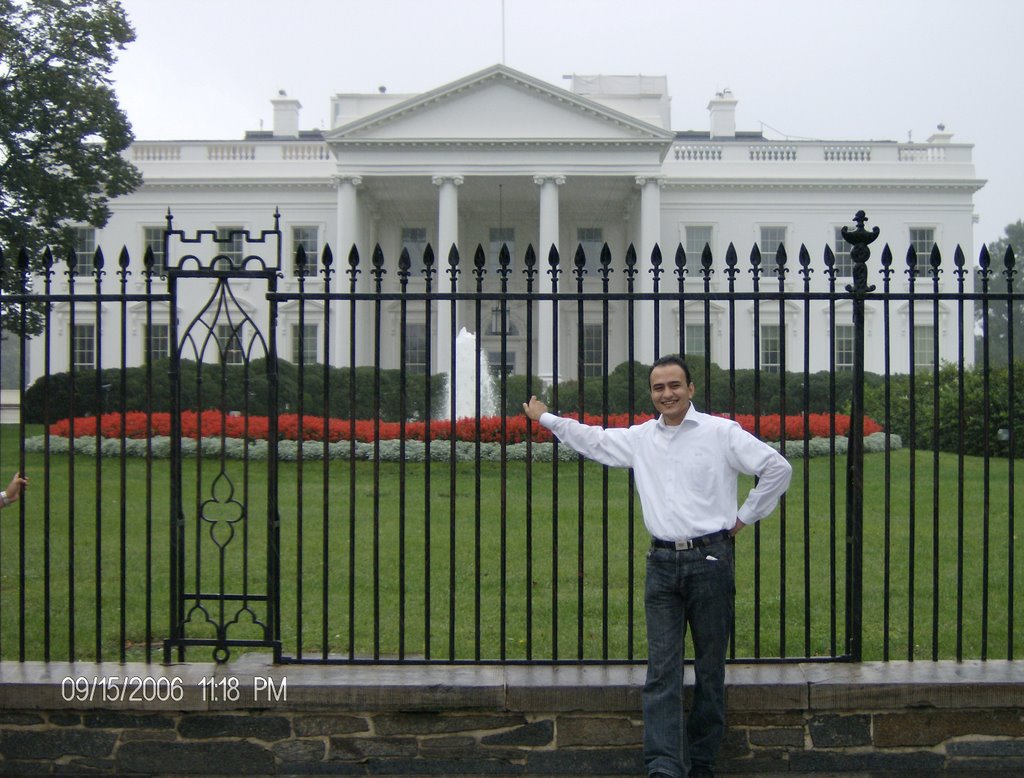
من أمام البيت الأبيض

Wednesday, July 26, 2006


خبراء أمريكيون: عودة الحوار بين القاهرة وواشنطن لا تعني التراجع عن الضغط لتطبيق الإصلاح
كتب واشنطن ـ مجدي سمعان:
قال خبراء أمريكيون: إن عودة الحوار المصري الأمريكي، بعد توقف أكثر من ٦ سنوات، ليست علامة علي أن الفترة المقبلة ستشهد مزيدا
من التراجع الأمريكي، وتخفيف الضغط عن النظام المصري، فيما يتعلق بقضية الإصلاح الديمقراطي.
وأكدوا لـ«المصري اليوم» أن ما يحدث، ربما يكون تغييرا في الأسلوب، حيث تري واشنطن حاليا أن الحوار سيساعد علي مناقشة المسائل المتعلقة بالإصلاحات السياسية في مصر بشكل مباشر، وهذا ما تراه واشنطن أيضا أفضل من الانتقاد العلني للانتهاكات التي تقع بين الحين والآخر للنشطاء السياسيين في مصر، خاصة أن الحوار سيعقد أكثر من مرة سنويا، بحضور مجموعات عمل اقتصادية وسياسية وأمنية.وشددوا علي أن الموقف الرسمي المصري الأخير من عملية «الوعد الصادق» التي قام بها حزب الله ضد إسرائيل، وإن كان سلبيا، ألا أنه كان أقرب إلي الولايات المتحدة، لأنه ألقي اللوم علي حزب الله.وأكدت ميشيل دن، الباحثة بمعهد كارنيجي للسلام أنه من الإيجابي أن تشترك الولايات المتحدة ومصر في حوار استراتيجي، فهذه فرصة مهمة أن يتحدث الطرفان بصراحة حول التطورات الداخلية في عملية الإصلاح في مصر وفي المنطقة، ومن المهم أيضا أن يكون الحوار شاملا، فالولايات المتحدة بحاجة إلي فهم إلي أين تتجه مصر في الإصلاح السياسي، لأنه بدون هذا الفهم فالعلاقة الثنائية بين البلدين سيعتريها سوء الفهم، كما رأينا في السنوات الأخيرة.
وقالت: أعتقد أن الولايات المتحدة ستحاول العمل مع السعودية ومصر والأردن لإيجاد حل للأزمة الراهنة، ولكنني لا أتوقع أن تتوقف الولايات المتحدة ـ في المقابل ـ عن مطالبها بالسير في برنامج الإصلاح السياسي، فإذا كان السلام في لبنان وغزة يهم الولايات المتحدة، فهو يهم مصر في ذات الوقت.وقالت تامارا وايتس، الباحثة بمعهد بروكينجز: إن عودة الحوار الاستراتيجي بين مصر وأمريكا أمر إيجابي، وهو في نفس الوقت لا يعني أن الولايات المتحدة تراجعت عن اهتماماتها بنشر الديمقراطية في مصر، بالعكس فالحوار الاستراتيجي بين البلدين يعد بمثابة وسيلة لتأمين التواصل المستمر لكل أوجه العلاقة، خاصة فيما يتعلق بالإصلاح السياسي المصري، وأيضا الإصلاح الاقتصادي، فبدون مثل هذا الإطار فإن العلاقات المصرية ـ الأمريكية ستغلب تفاصيل ما يحدث بالنسبة للأزمة الفلسطينية أو ما شابه، أما الموضوعات طويلة المدي مثل قضية الديمقراطية فستتوه وسط هذا.وقالت: ولعله كان من الملحوظ أن كلمة وزيرة الخارجية الأمريكية في المؤتمر الصحفي مع أبوالغيط، ركزت علي الإصلاح أولا، ثم الأزمة الدائرة في المنطقة بعد ذلك.
وأكدت تامارا وايتس أن رسالة رايس كانت مبنية علي تصريحات الرئيس بوش في الكونجرس في فبراير الماضي، التي قال فيها إن مستقبل المنطقة لا يمكن أن يترك للاختيار بين حالة الثبات التي هي عليها أو الأصوليين، فمن المهم أن يكون هناك إصلاح ليقدم بديلا حقيقيا للمواطنين المصريين وبقية المنطقة.
وأشارت إلي أنه في ذات الوقت، هناك العديد من المسائل الاستراتيجية التي تتشابه وجهات النظر بين الإدارة الأمريكية والنظام المصري، خاصة في الأزمة الحالية بين إسرائيل وحزب الله، وهم سيتحدثون حول السبل التي يستطيعون العمل معا من خلالها في هذه القضايا حتي ولو أنهم غير متفقين في مسألة الديمقراطية.
وقال بن فيشمان، الباحث بمعهد واشنطن للدراسات إن استئناف الحوار الاستراتيجي من الممكن أن يكون تأكيدا ـ ليس علي أن الولايات المتحدة هجرت أجندتها الديمقراطية ـ ولكن علي أنها تشعر بأنها يمكن أن تنجز أكثر من خلال التعامل مع القضية بشكل مباشر، وبالحاجة إلي فعل إيجابي في طريق الإصلاح أكثر من مجرد الانتقادات التي توجهها واشنطن لانتهاكات الحكومة المصرية ضد القوي الديمقراطية.
وأشار فيشمان إلي أن مصر يمكن أن تلعب دورا مهما في تقوية الرئيس محمود عباس أبومازن، ومساندا في إيجاد وتقوية جهاز أمني فلسطيني قوي ومؤثر، قادر علي الحفاظ علي وقف إطلاق النار مع إسرائيل، فليس من مصلحة مصر أو الولايات المتحدة أن تستمر الفوضي في غزة.
ورأي خيري أباظة، الباحث بمؤسسة الدفاع عن الديمقراطية أن التركيز خلال الحوار بين الجانبين المصري والأمريكي، انصب علي تطورات الأوضاع في الساحة اللبنانية، وبصفة عامة فمصر حليف للولايات المتحدة، فيما يتعلق بقضايا السياسة الخارجية، أو هناك تفاهم بين البلدين، وذلك بعكس الخلافات بينهما فيما يتعلق بالأوضاع الداخلية في مصر.
نقلا عن المصري اليوم

Wednesday, July 12, 2006

Wed, Jul 12, 2006, 02:54 GMT
Sugar continues upward March

May 2006Egyptian food industries and businesses are bracing themselves for a continued rise in sugar prices as the commodity leapt to around £E 3.50 per kilo in April. The hike, which has been attributed to rising prices on the international market and a widening gap between local production and consumption, looks set to continue throughout the year.Sugar prices have risen over 60 percent since the beginning of the year, when sugar was selling for £E 2.15 a kilo. In recent months, the price hike was exacerbated by concerns over dwindling inventories, as well as preparations for last month's Moulid Al Nabi (birthday of the Prophet) vacation. Every year during the celebrations, Egyptians typically buy large quantities of sweets, which causes sugar consumption to spike.But Minister of Trade and Industry Rachid Mohamed Rachid was quick to dispel worries, assuring worried citizens that Egypt's sugar reserves were sufficient to meet domestic consumption needs until the end of 2006. He blamed the hike on the rising international market price, which currently stands at about $480 per ton, citing a recent decision by the EU to shelve subsidies afforded to its sugar cane farmers. He also said Brazil, the world's leading sugar producer, was reducing exports to push for ethanol and electricity production using sugar, in response to rising crude prices, which reached record-highs in mid-April.Industry analysts are concerned with the country's need to address a growing gap between production and consumption. Egypt produces around 1.3 million metric tons of sugar a year, which covers about 65 percent of domestic demand. In 2005, it imported 905,000 metric tons at a cost of $450 million to cover its shortfall.Mostafa Zaki, head of the importers branch of the Cairo Chamber of Commerce, says Egypt needs to increase the cultivation area of cane and beet sugar, and build more refineries, to cope with ever-increasing consumption. But he says a lack of suitable land for sugar cane plantations has thwarted attempts to increase domestic production. Much of Upper Egypt's water-thirsty sugar cane plantations were cut down in the 1990s by security forces hoping to flush out Islamist terrorists that had been using them as cover for attacks on police and tourists.The government is encouraging farmers to increase the cultivation of red sugar beet, a more robust variety that already accounts for nearly 20 percent of Egypt's total domestic sugar supply. Zaki, however, admits it is not the most cost-effective solution to the shortage. "Really, the only way to increase production is what one refinery, Delta Sugar Company, already does - that is to import raw sugar and refine it in Egypt. This method saves about a quarter of the price."While the state's dominance of the sugar market is considered a major impediment to its development, suggestions of privatization have been equally unpopular. Minister of Investment Mahmoud Mohieldin was jeered by lower income consumers last year when he announced plans to privatize several refineries and mills. He has since backed away from the plans.Zaki believes privatization would make Egypt's sugar prices subject to world market fluctations and almost inevitably push them higher. Instead, he thinks the government should privatize only their administration.Despite the government's efforts to cushion the blow by raising prices incrementally over recent months and bringing more of the commodity onto the domestic market and into state-owned cooperatives, the food industry and small businesses are already feeling the burn.As the price of sugar has risen, food producers have taken steps to lower their bottom line. Some sweet and jam factories have lowered the packaged weight of some products by as much as 50 grams to offset the rising costs of ingredients. Supermarket owner Mamdouh Abd Al Azeem says this could help keep the prices of these products manageable for consumers, who have expressed concern about rising prices."It's a real shame," complains Ali Abdel Rehem, 56, "becaue the only treat for the average Egyptian is a good cup of sweetened tea."
By Magdy Samaan
© Business Monthly 2006
Article originally published by Business Monthly 20-May-06


Email this article


Formatted version

Sunday, April 02, 2006

Copts Conferences

After the Copt immigrants held the third conference in Zurich between 25 and 27 March, they intend to hold anther conferences in Montréal, Canada on April 7, and another one in Sydney, Australia on 12 May. Adli Abadeer, leader of the Coptic immigrants said during the Zurich conference that they intended to organize eight conferences around the world this year to pressure on the Egyptian government and expose persecution against Copts.

The Zurich conference was held under the title of "The Copts are caught up between the Wahabi Hammer and the Muslim Brotherhood Anvil." It was attended by AUC professor Said Eddin Ibrahim, about 40 Coptic immigrants and some Arab intellectuals critical of the attitude of Islamists.

Abadir, the Egyptian businessman resident in Switzerland, attacked the Egyptian regime accusing it of transfer Egypt into fanatic Wahabi thinking through the Saudi money.

The conference called upon the Egyptian government to activate the religious rights document which was signed last year in Cairo by Al Azhar Grand Imam Sheikh Muhammad Sayed Tantawi and Priest Emil Haddad, a representative of the Peace Ambassadors Organization. The document regards resorting to violence to confirm a religious viewpoint or forcing others to embrace it as a completely inadmissible matter .


Coptic immigrants who estimated with two millions are trying to unify their powers, although conflicts between them took place following the Washington conference last year after Michael Monir, head of US Copts Association, visited Egypt and met with Egyptians officials.
The Copts emigrants face attack from Egyptian newspapers which usually describes Copts emigrants as agents and receive money from the west.
From its side the Copts church try to separate itself from emigrants acts. Pope Shounda held a press conference in Aswan before a week of Zurich conference in the occasion of inaugurate a new church, he refused Emigrants restore to the UN or any foreign interference in Egyptians affairs because of Copts.
Abadir comment on the pope situation “The pope is into the cage he can’t say except that. We tried several times to solve the problem by the dialogue but the government ignored us”

The Copt-Muslim Brotherhood dialogue was a main issue in the discussion between Saad Eddin Ibarhim and the other participants. Ibrahim tried to persuade them of the necessity of such a dialogue. He explained that the Copts should not judge the Brothers before having a dialogue. He added: "the fear of political Islam is legitimate, but does not prevent dialogue. If I was talking with the Israelis why can you not talk with the Brotherhood? Accepting dialogue means accepting the humanity of both sides."

He added: "I have hope and confidence that if the dialogue begins in an atmosphere of freedom, the Islamists in our region will become democrats as was the case in Turkey with the Justice Party"

The response of the Coptic and Arab intellectual attendees was that dialogue with the Muslim Brothers would be a waste of time because the latter enter into dialogue under the "Tokia" principle which allows them to lie to achieve their motive of turning Egypt into a religious state, an objective which they are not willing to give up.

Abadir said: "The dialogue with the Brothers would be an argument, not a dialogue. We can't trust a group that consider deception a system."
He pointed out that Coptic problems in Egypt have been known since 1972 and since the Al-Oteifi committee's report following the Khanka sectarian incident. The report accused the government of seeking to keep the problems without solution.

The conference comes at a time when Copts United under the presidency of submitted a complaint to the UN Committee on Social and Economic Rights.


Zurich Conference is the third Coptic conference after the first one which determines the Copts demands on Instituting a total separation of religion and state through constitutional reforms, and the removal of emphasis on religion and its role in government institutions, emphasizing the secular nature of the State. Denouncing the Hamayoni Decree as unconstitutional in order to establish the equal rights of all Egyptians to build and maintain places of worship. Allocating a proportionate and just percentage (estimated between 10-15%) of government appointed positions to Copts, to guarantee appropriate participation…
Copts sent this demands to the Egyptian government. But they said that the government neglected their demand. So they decided in the second conference in Washington to resort to the United Nation. And they did before their third conference


Awad Shafik, United Copts lawyer and representative who submitted the complaint to the United Nations, clarified: "The main objective of the complaint is for the observation committee resulting from the international treaty for human right to study whether Egypt's internal law agrees with the treaty, and it wasn't in agreement, then there should be international cooperation to assistant the country to introduce suitable internal legislation."

He pointed out that the Copts are indicate their compliane by showing some legislations that discriminate against Copts in the Egyptian law, for example the Hamayouni law that back to the Ottoman rule and obliges the Copts to get a license from the president to build a new church . And Al Ezabi's condition in 1938 for construction of the churches that included a digit of the religion in the ID paper, which is disagrees with judgments and the international law principles.